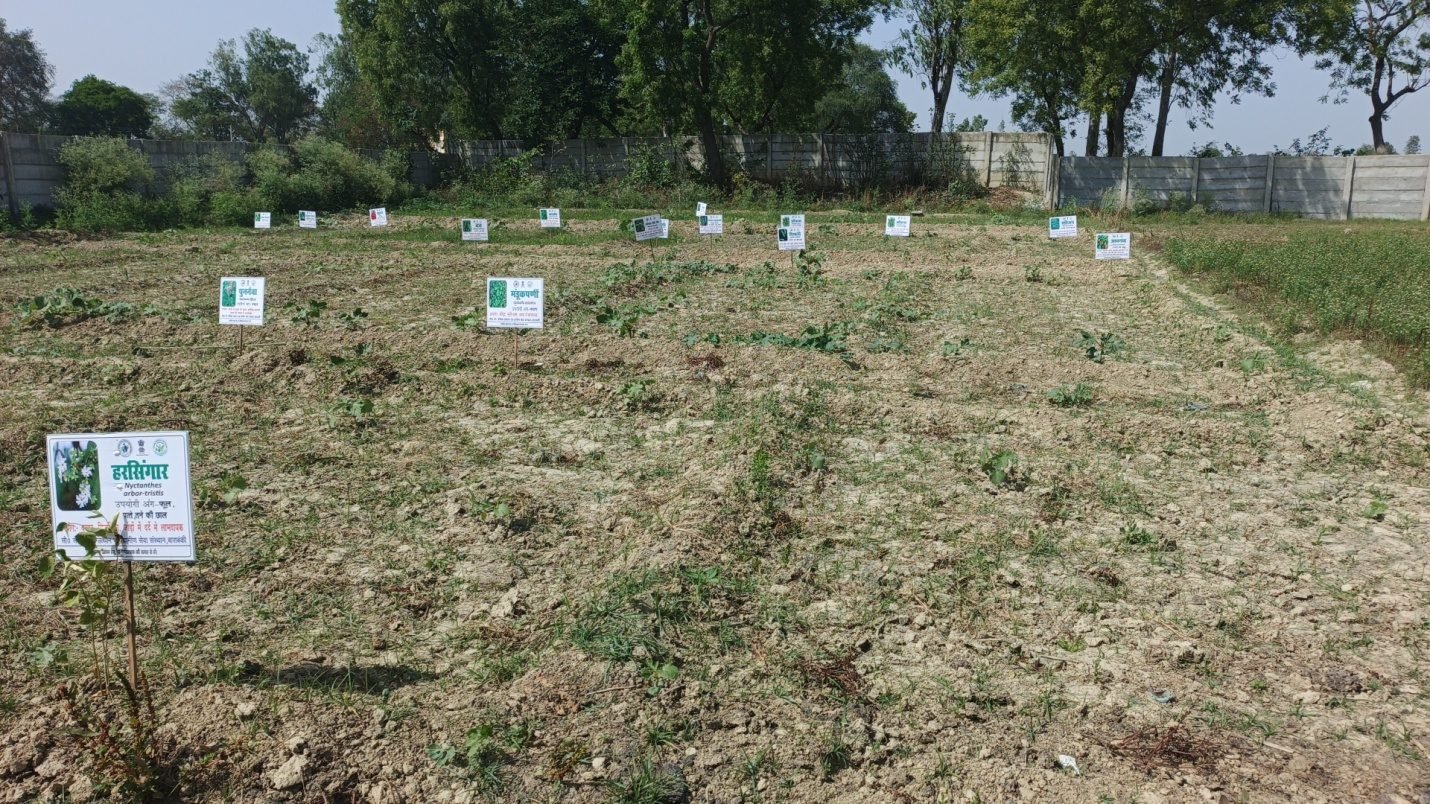
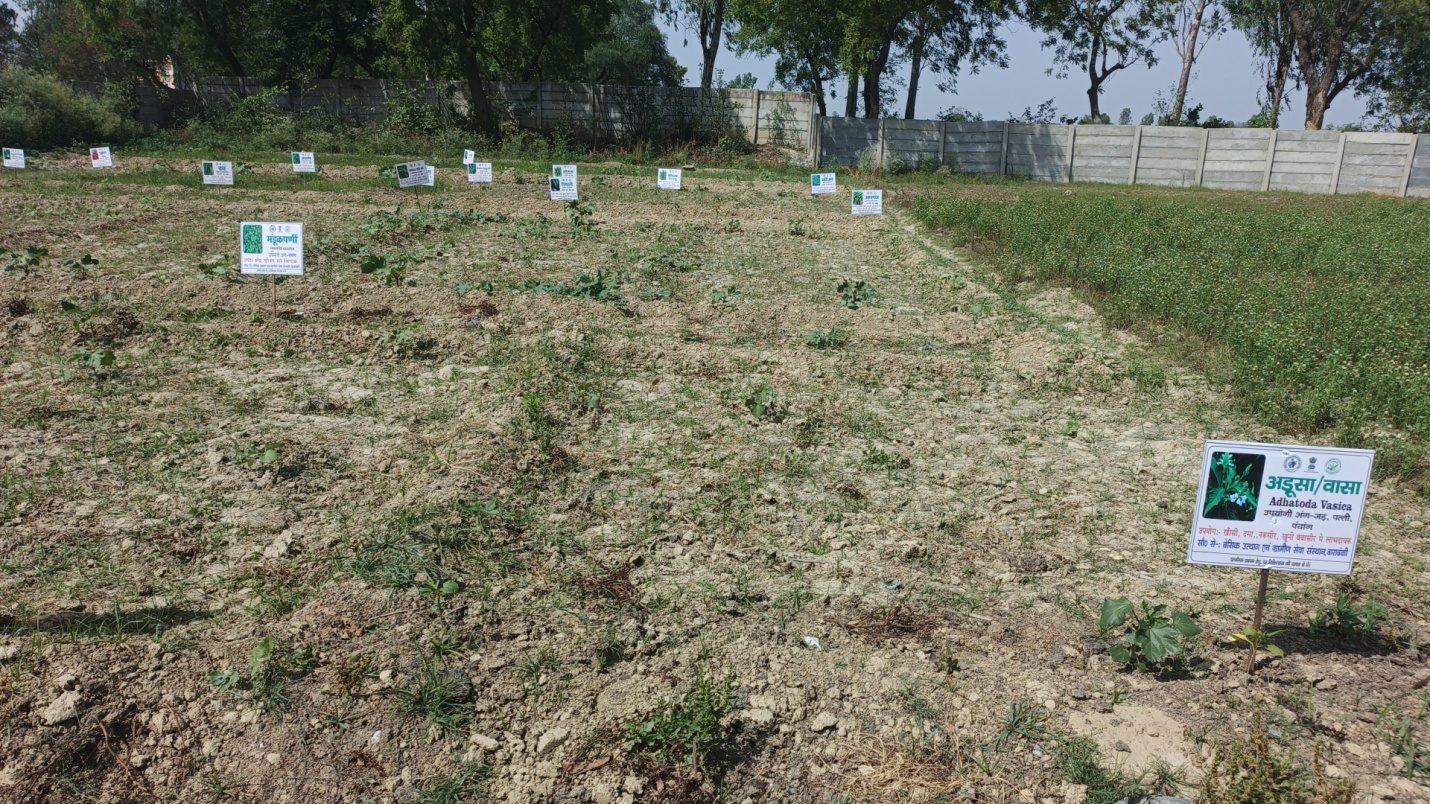
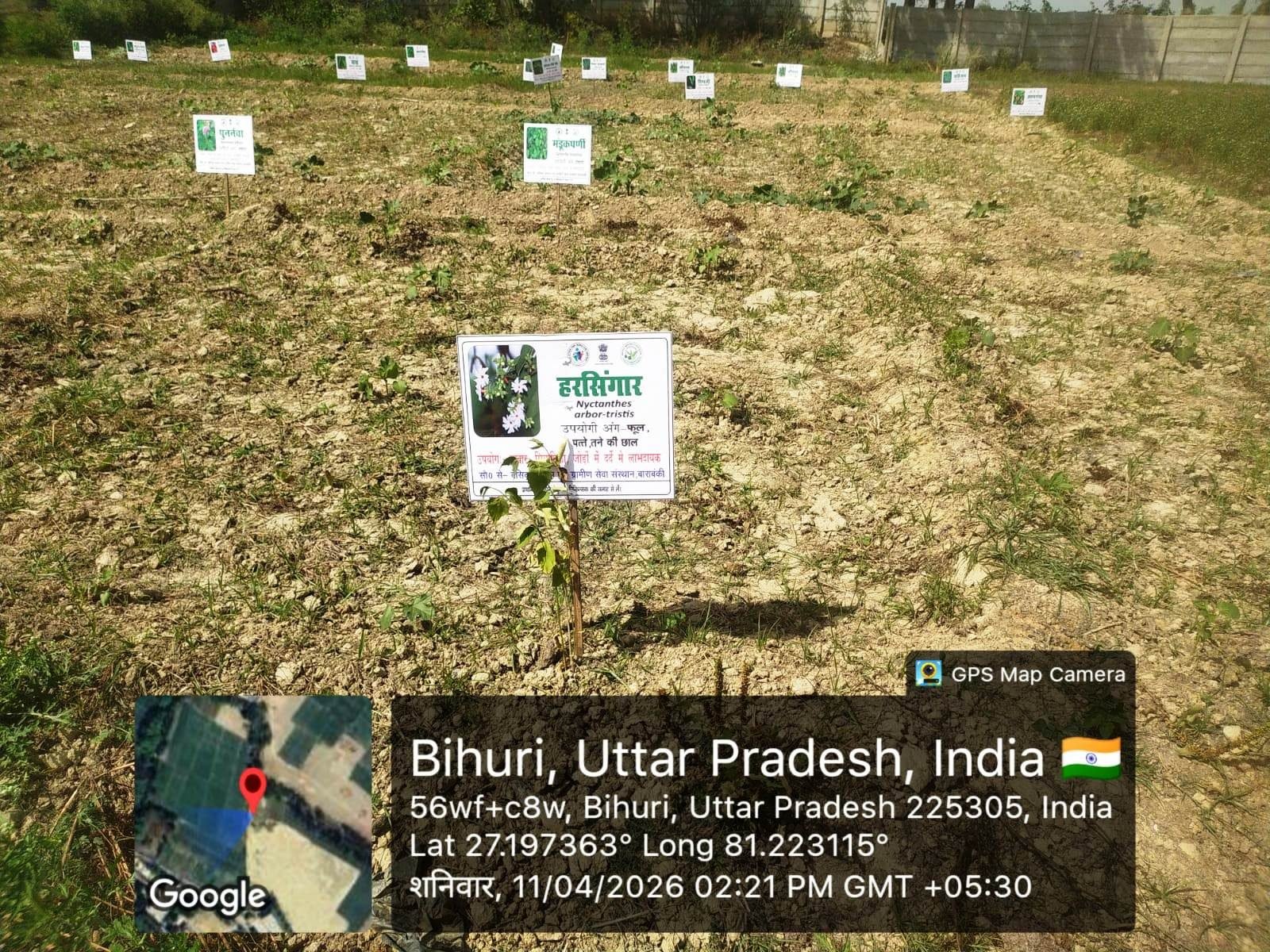
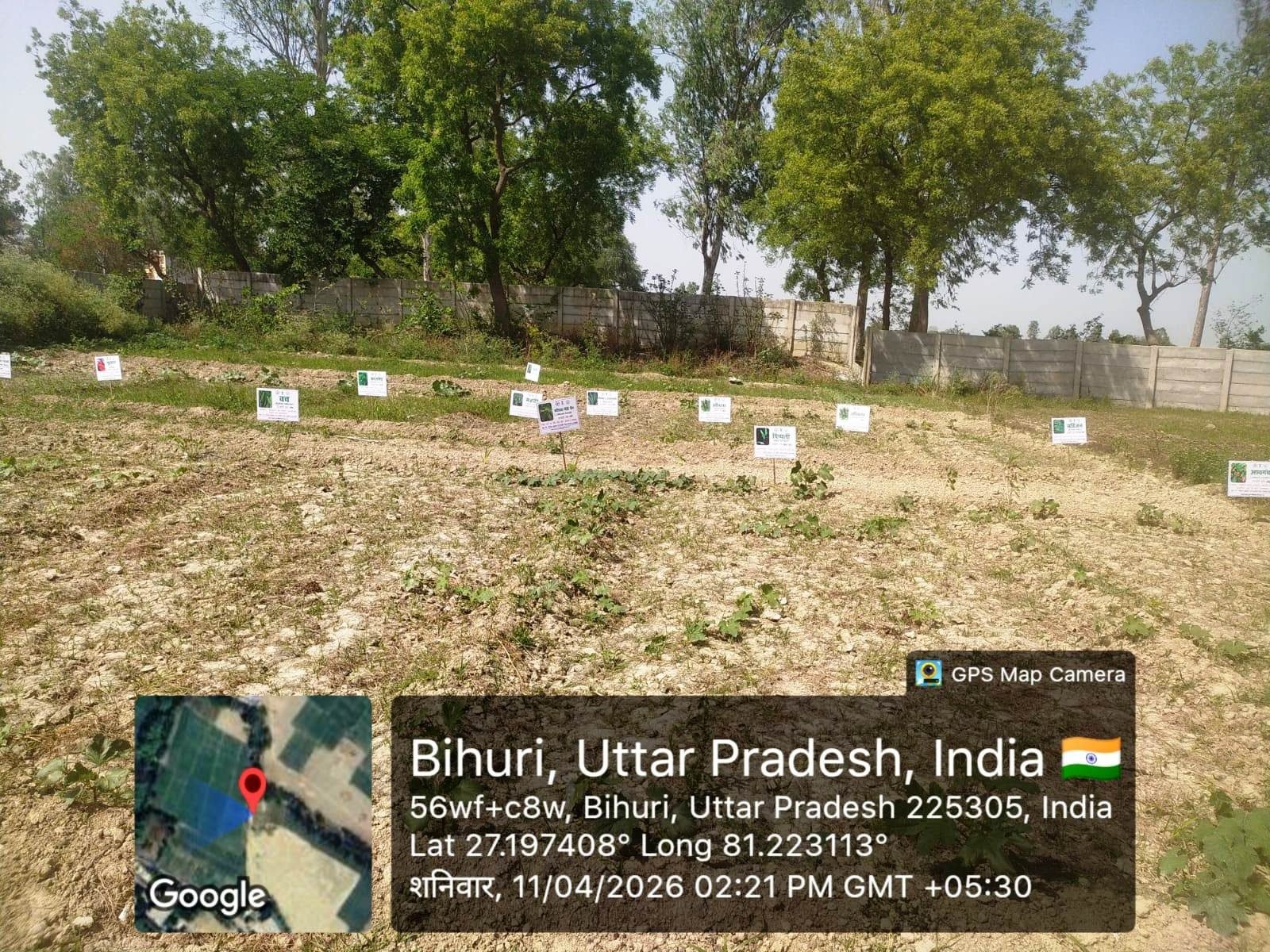
Establishment of School Herbal Gardens
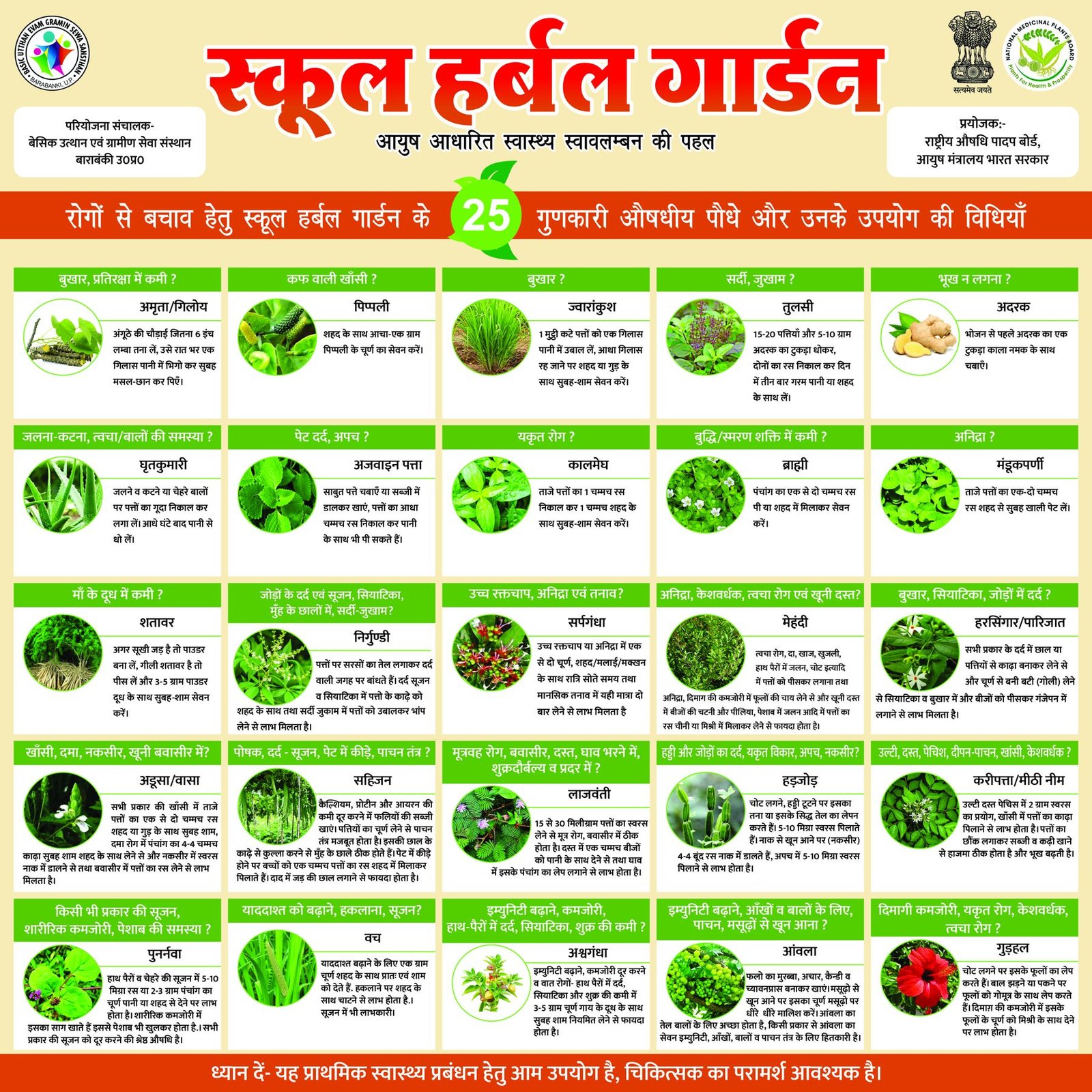
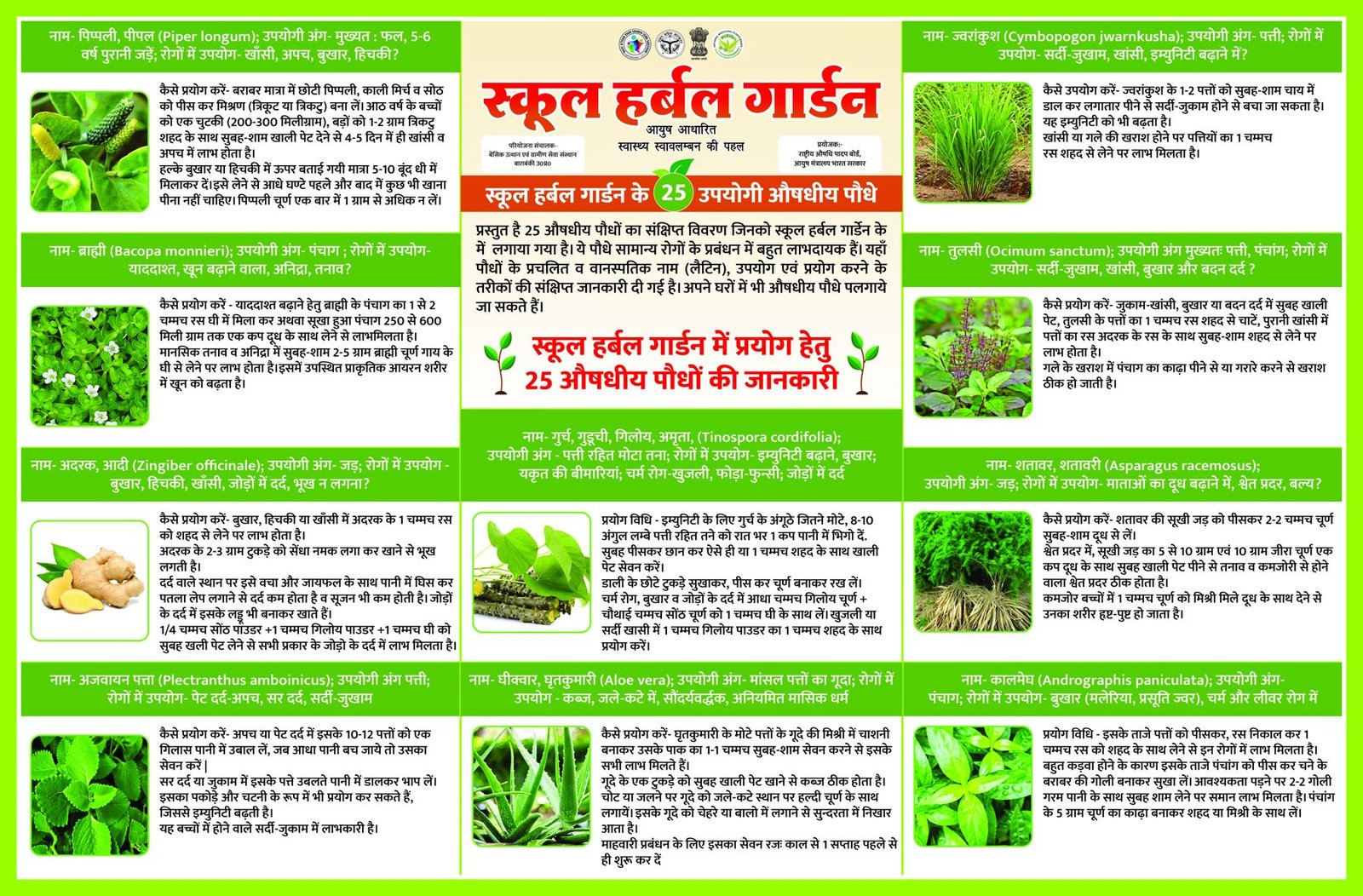
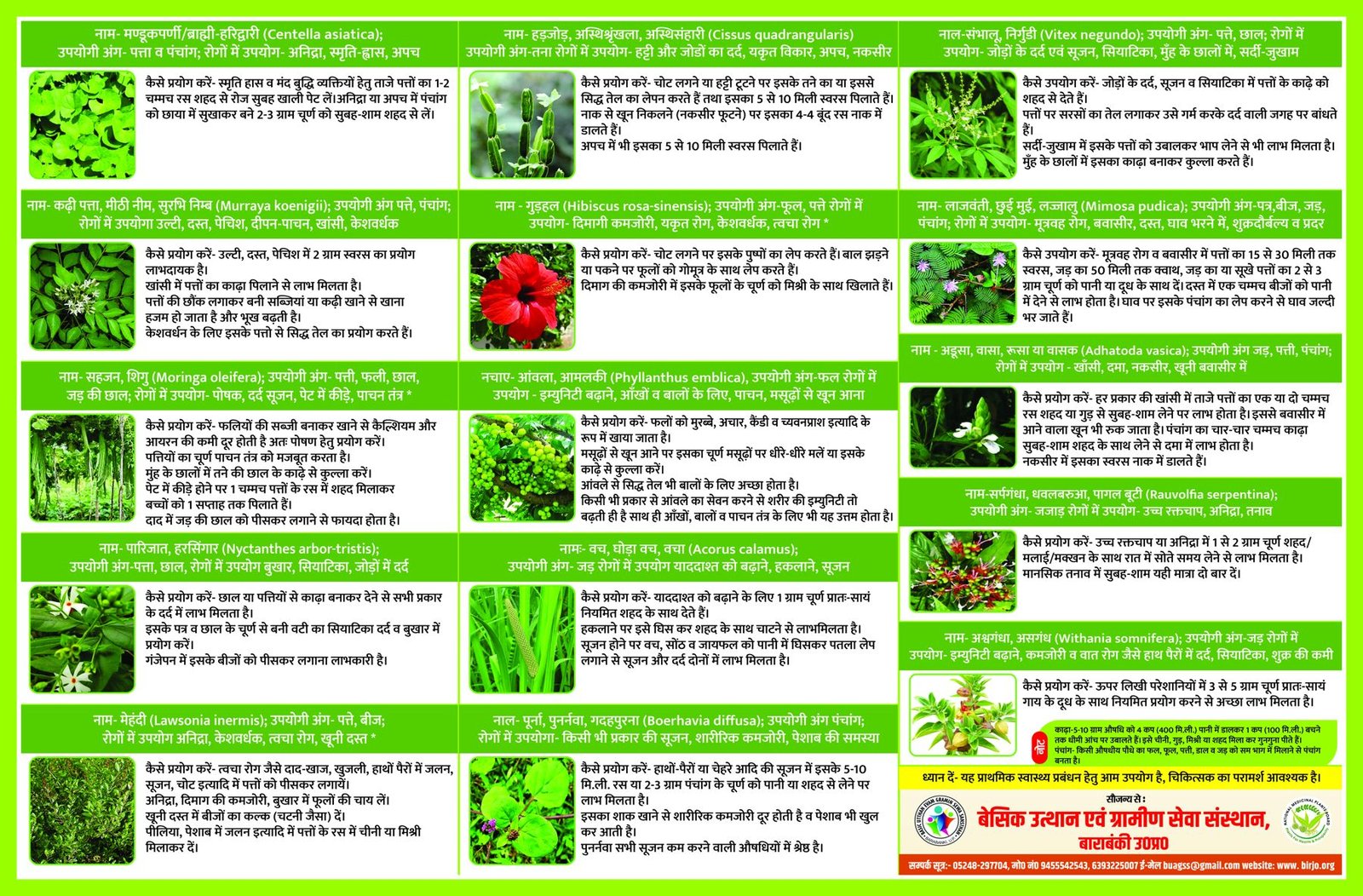
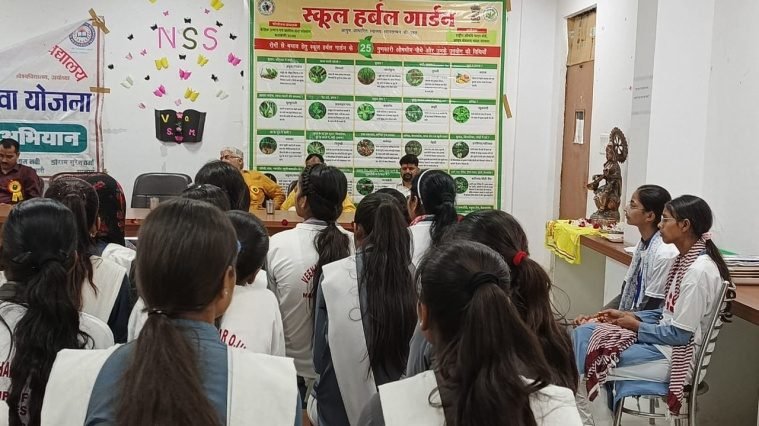
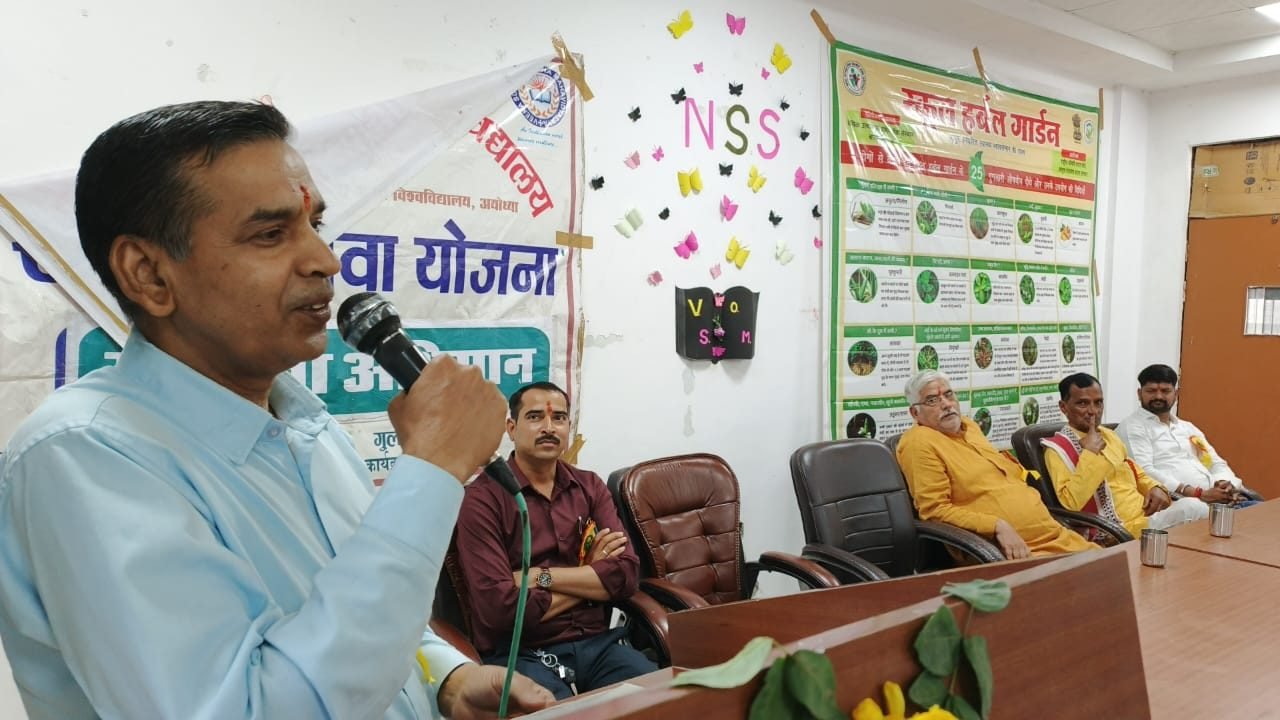
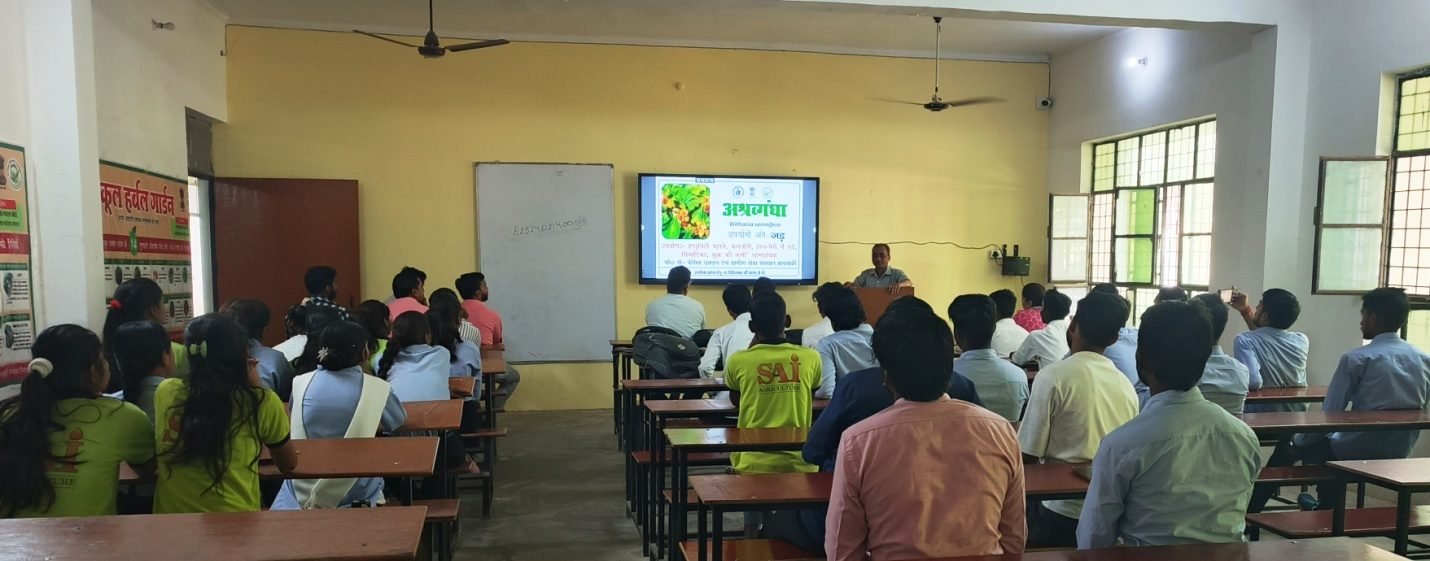
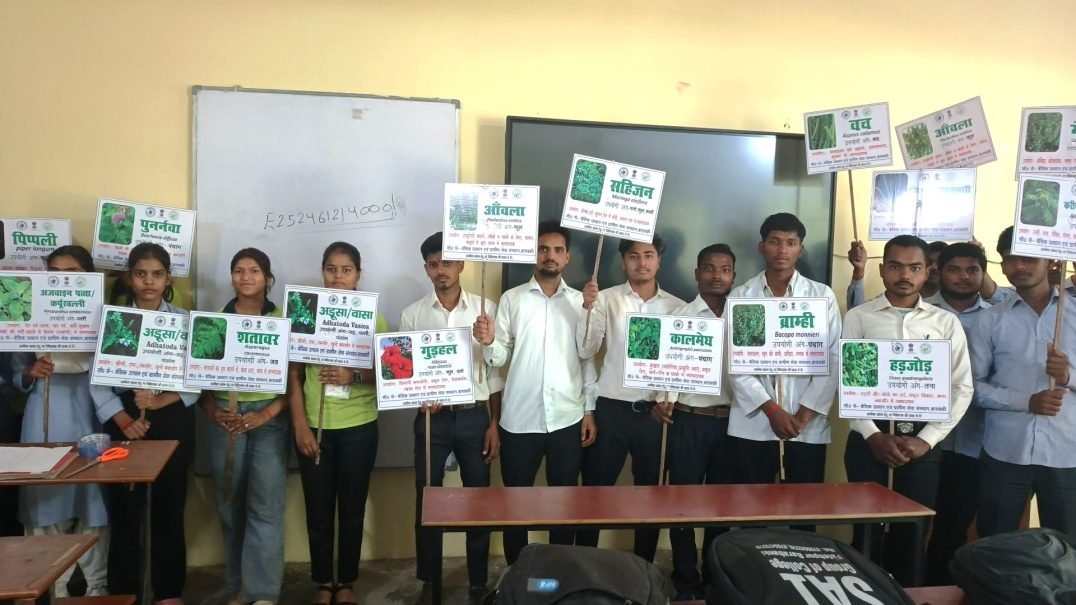
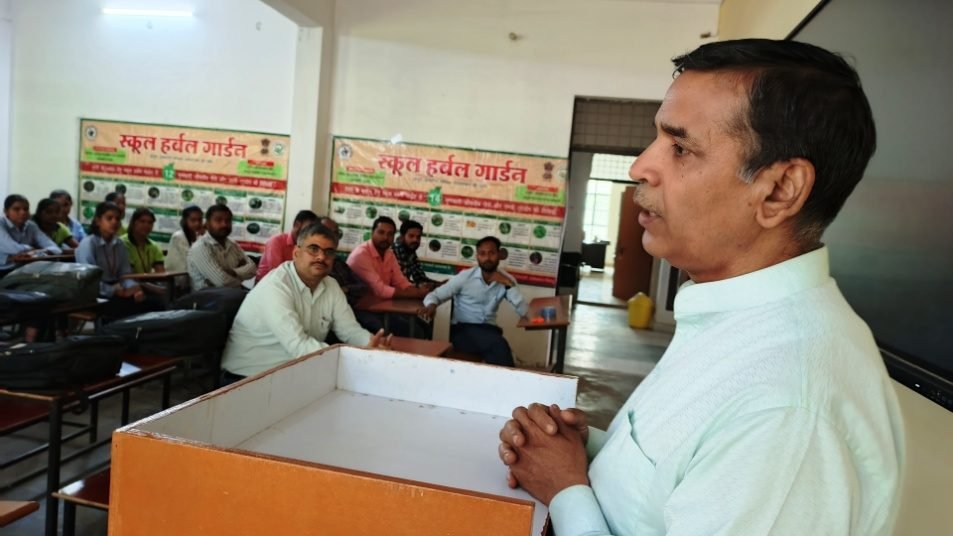
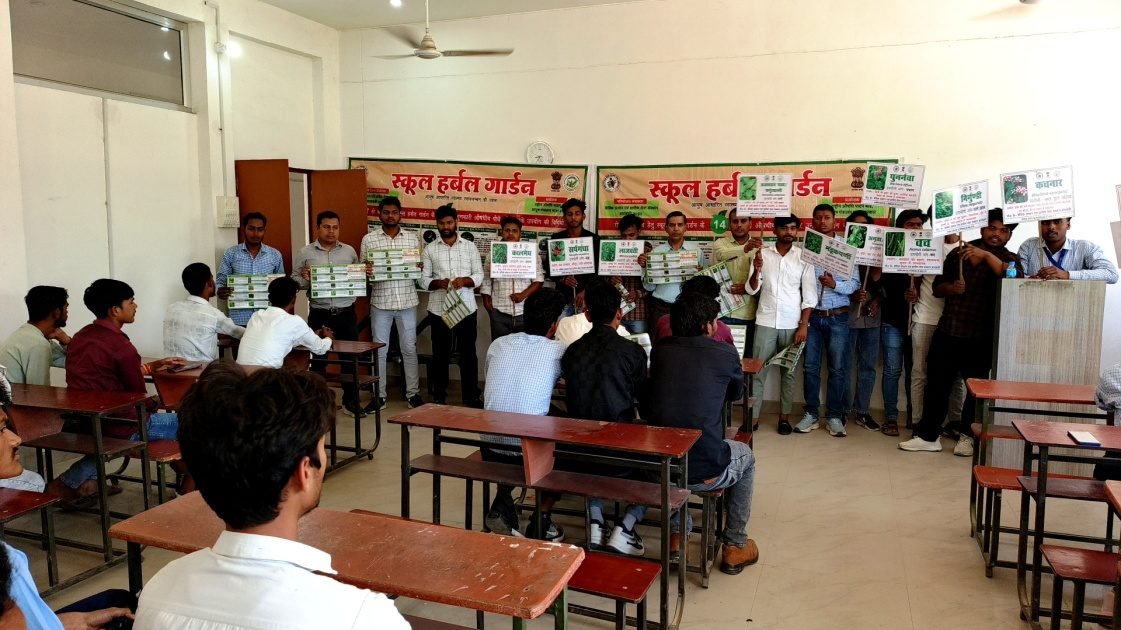
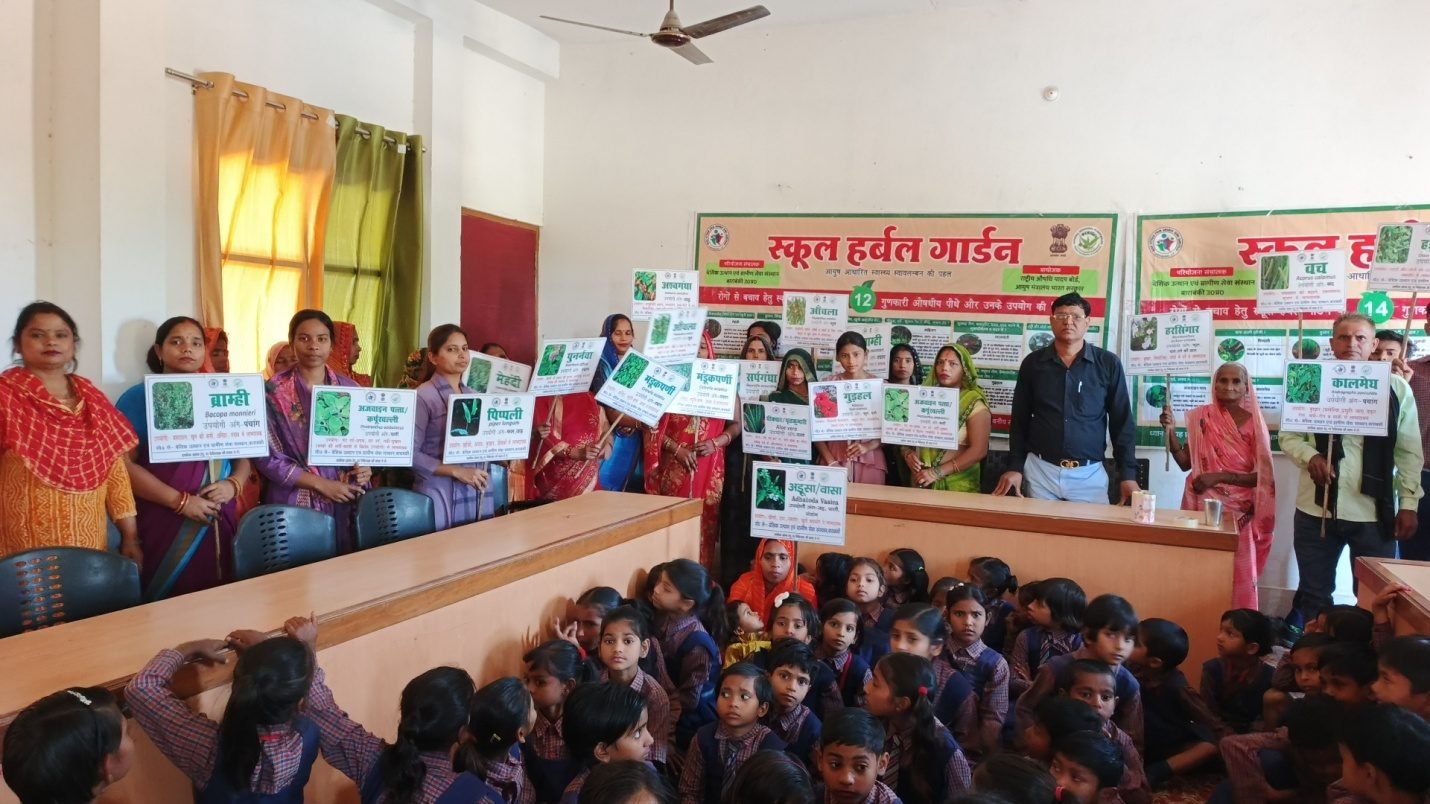
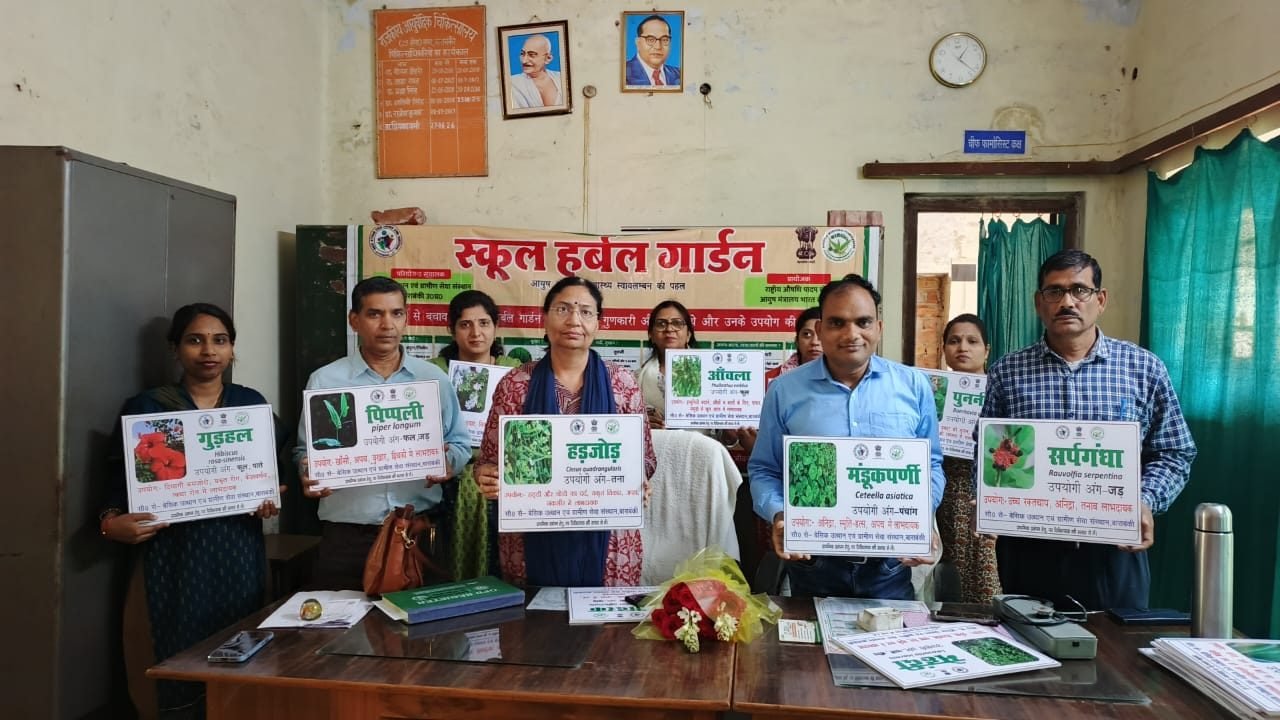
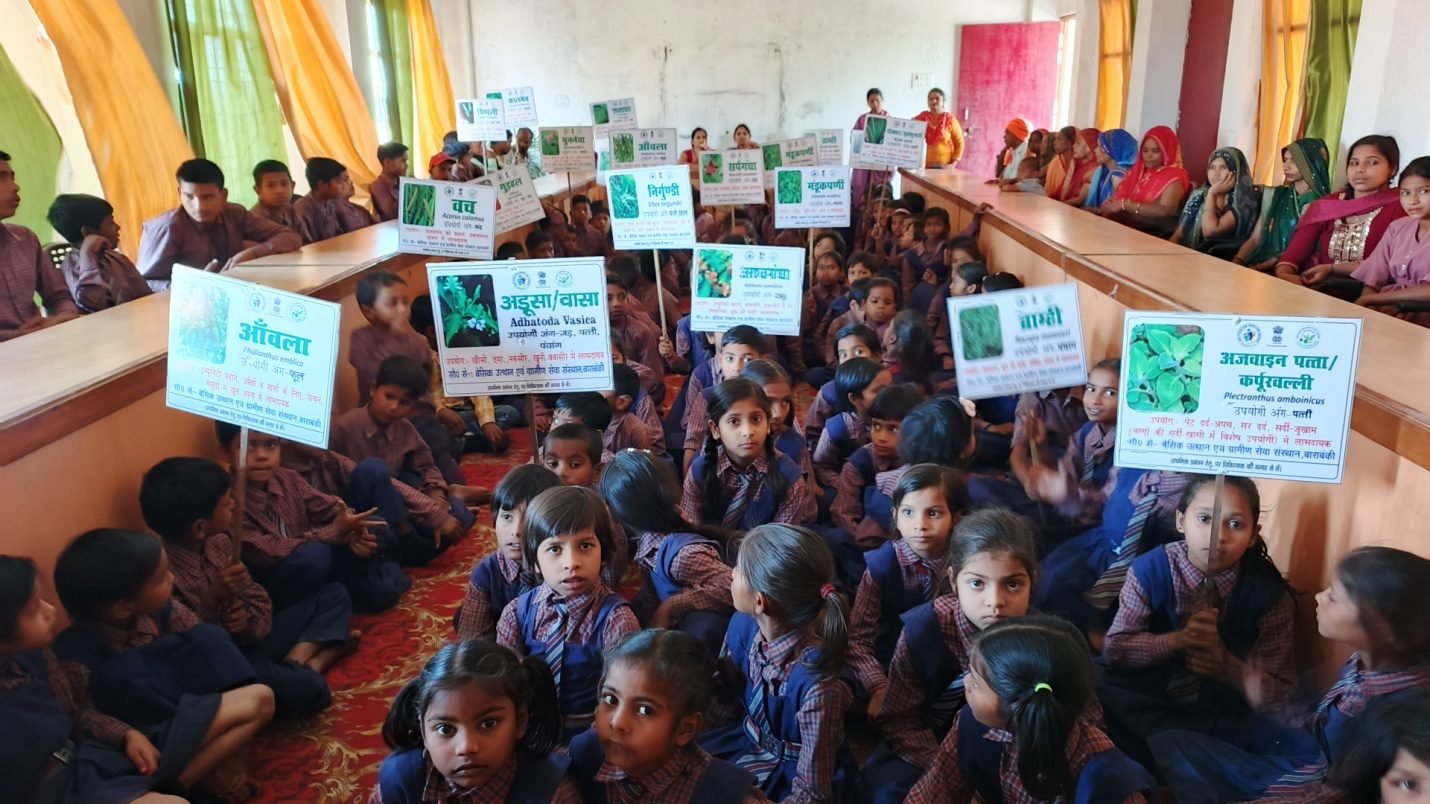
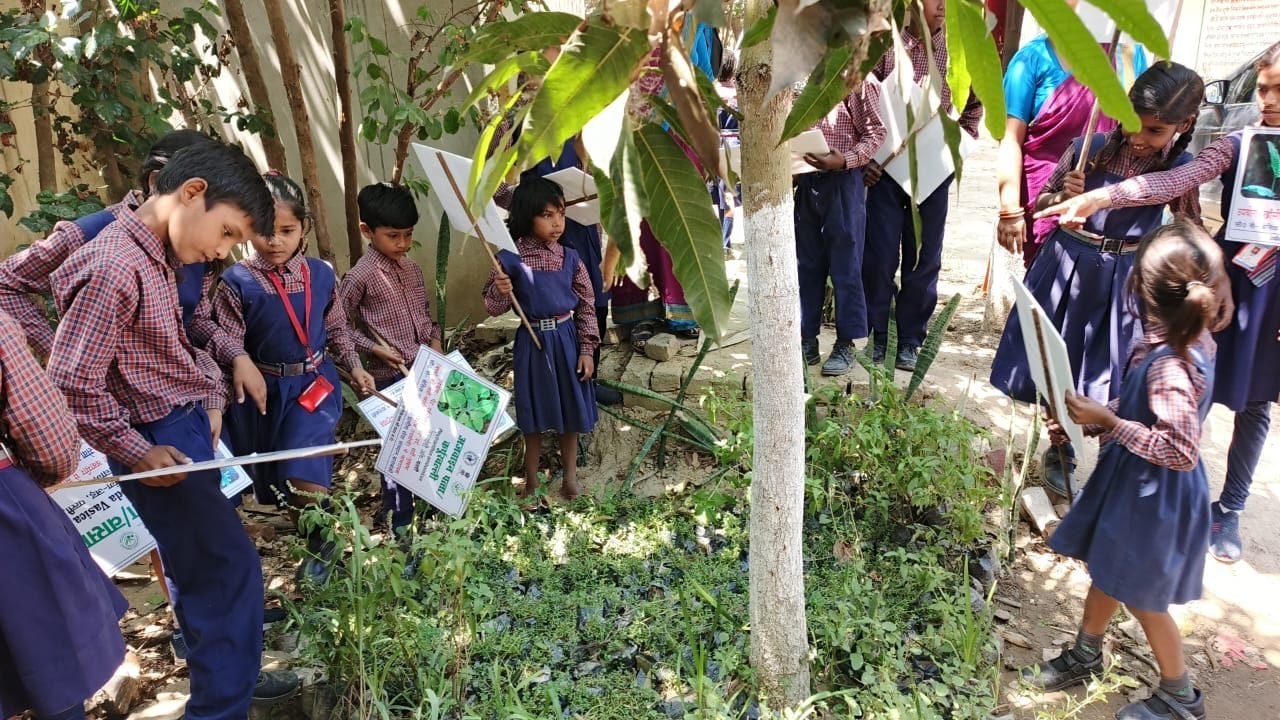
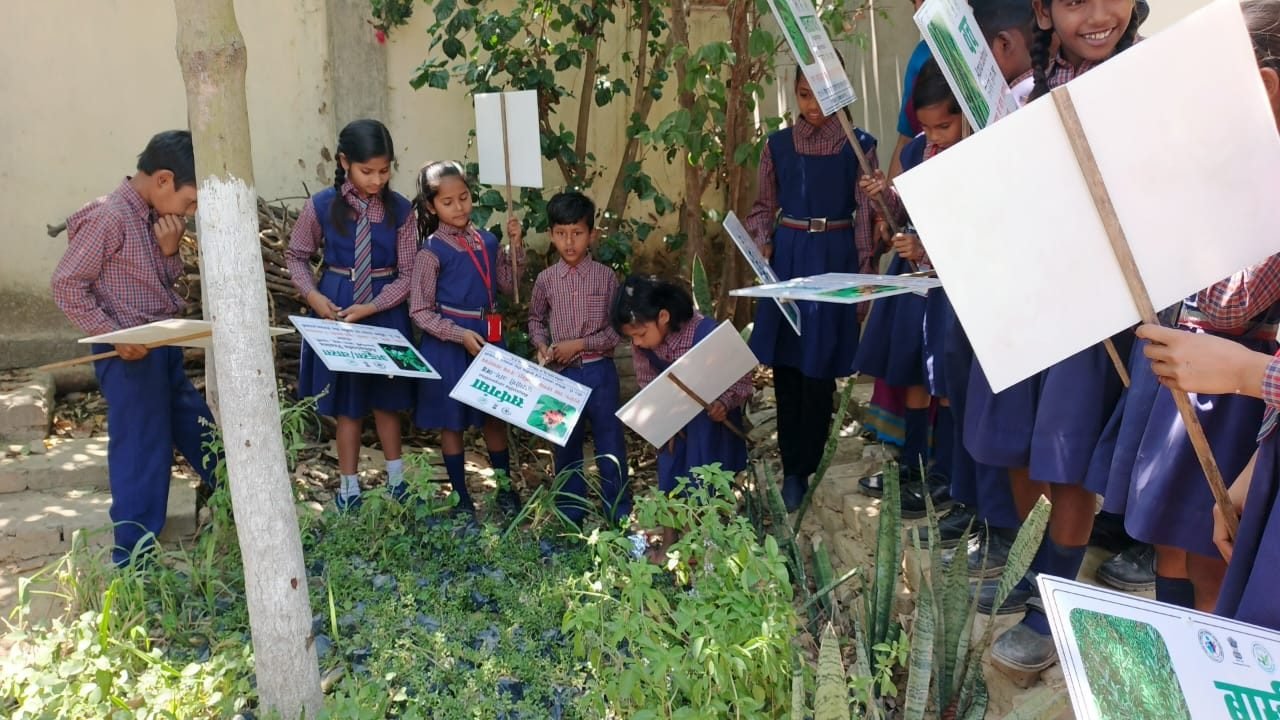
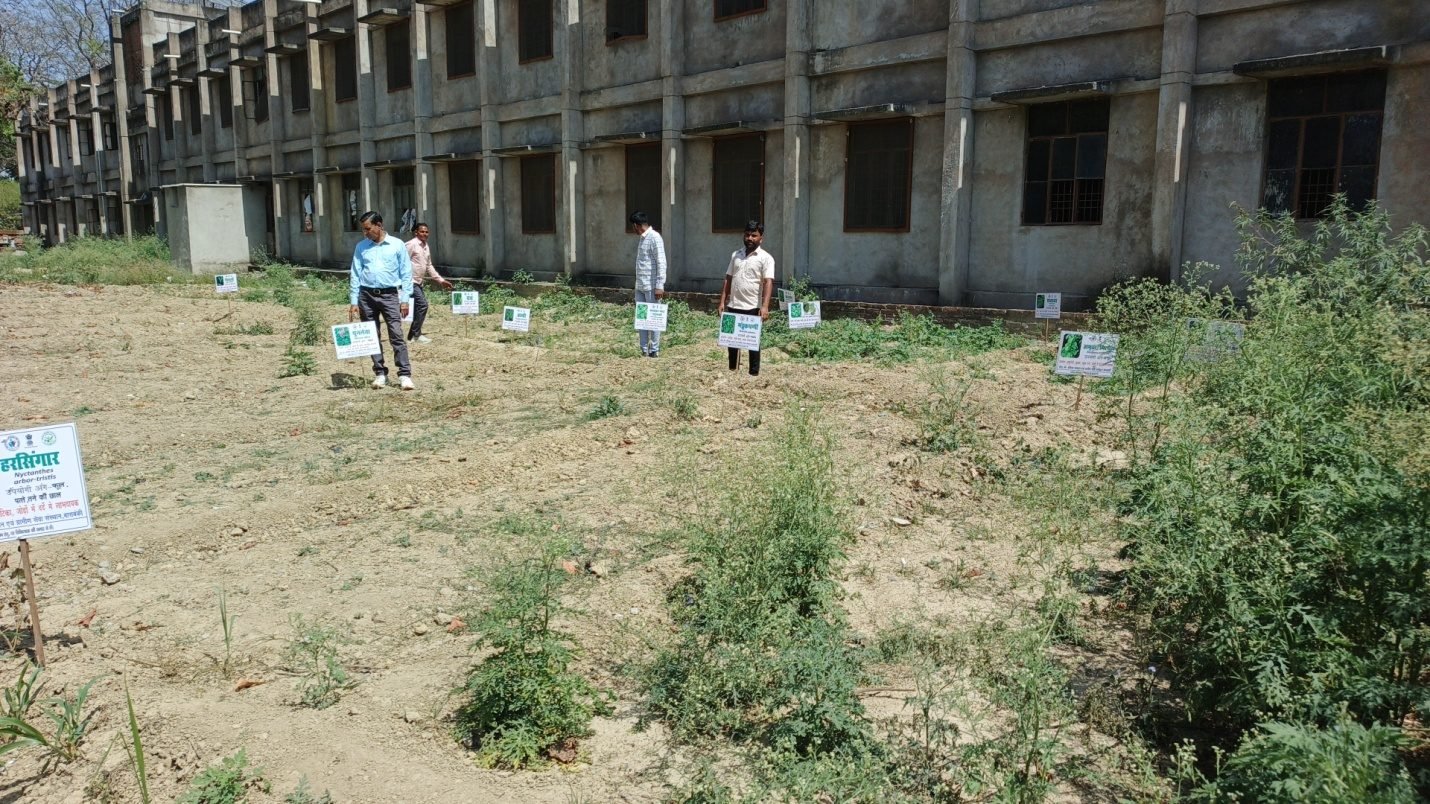
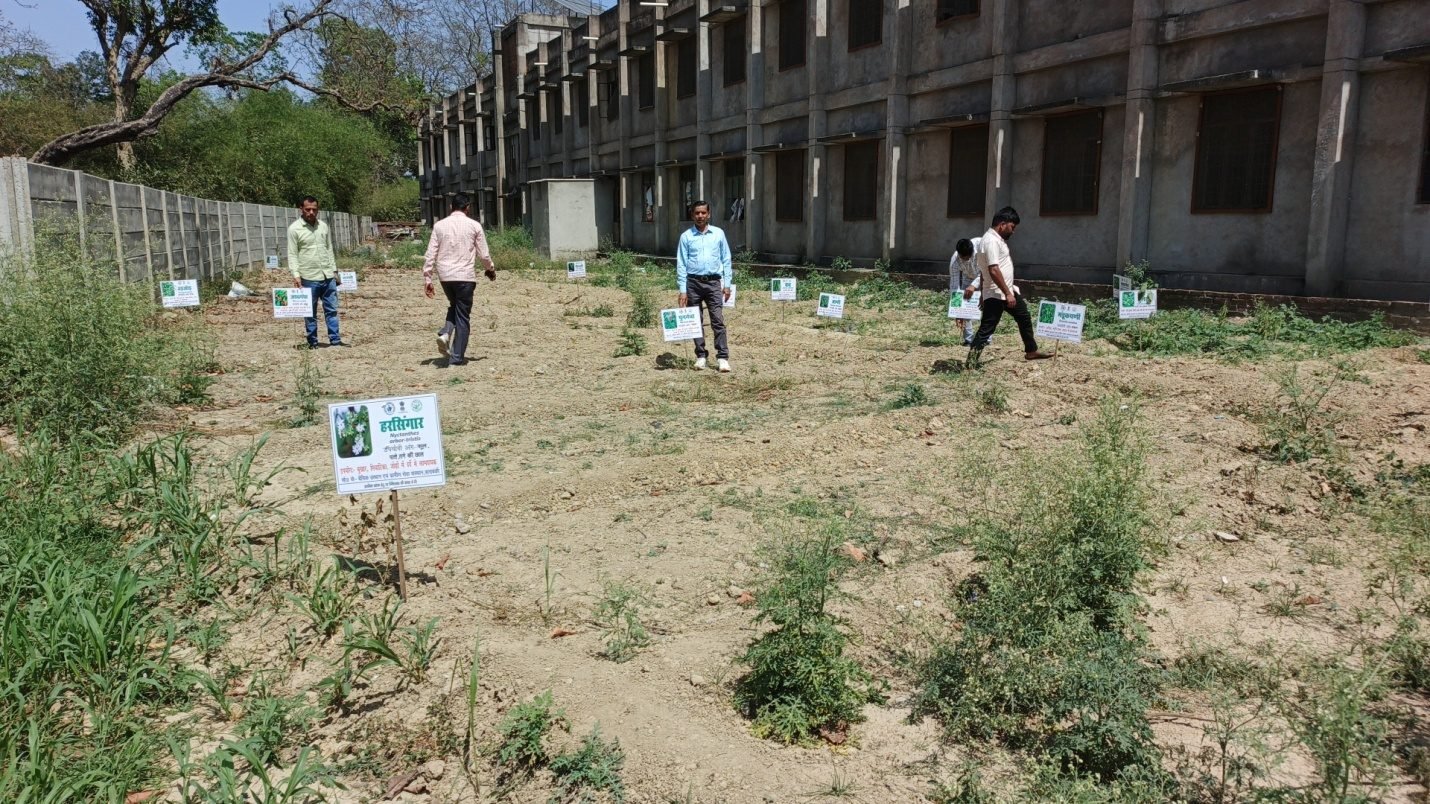
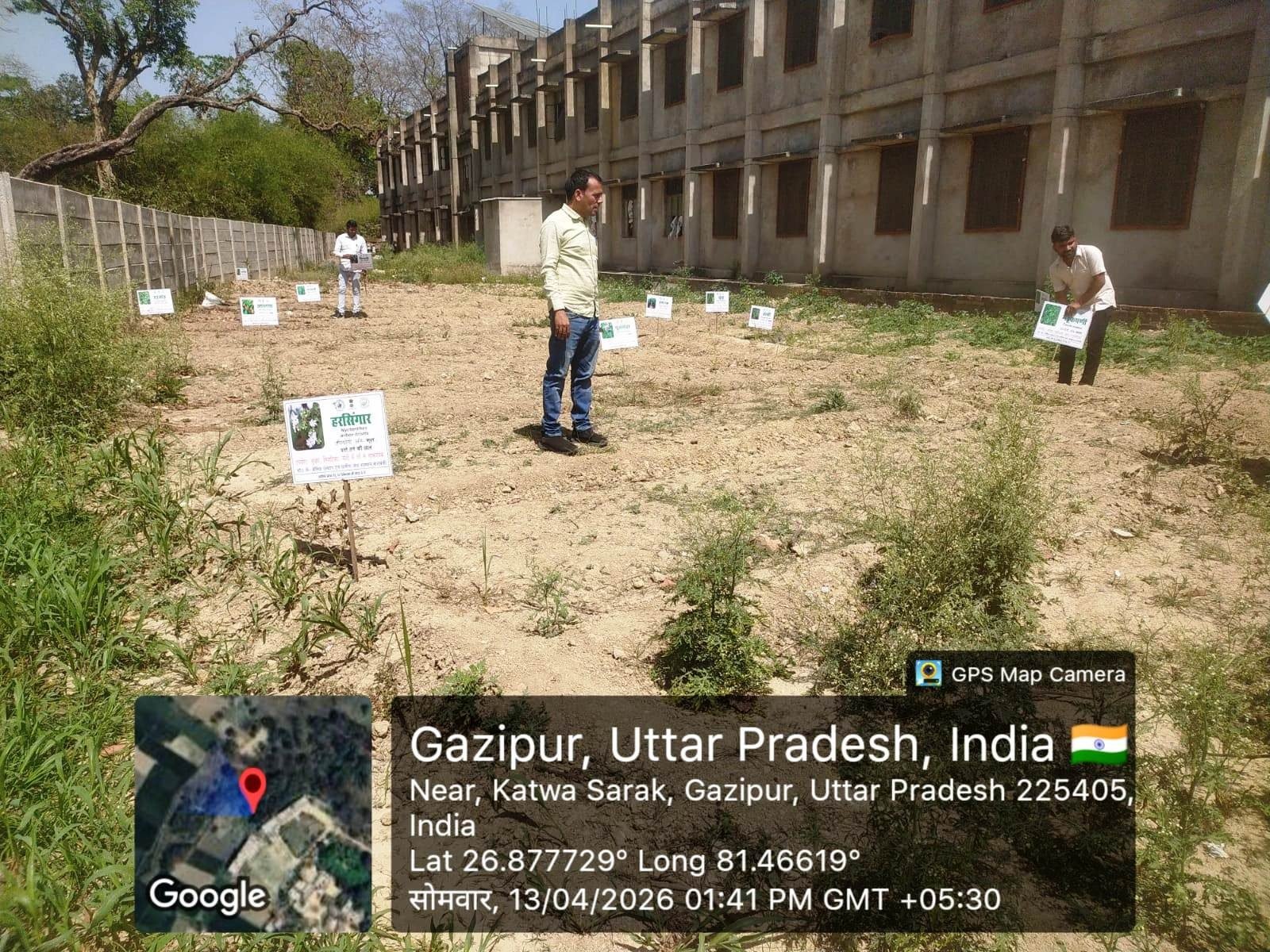
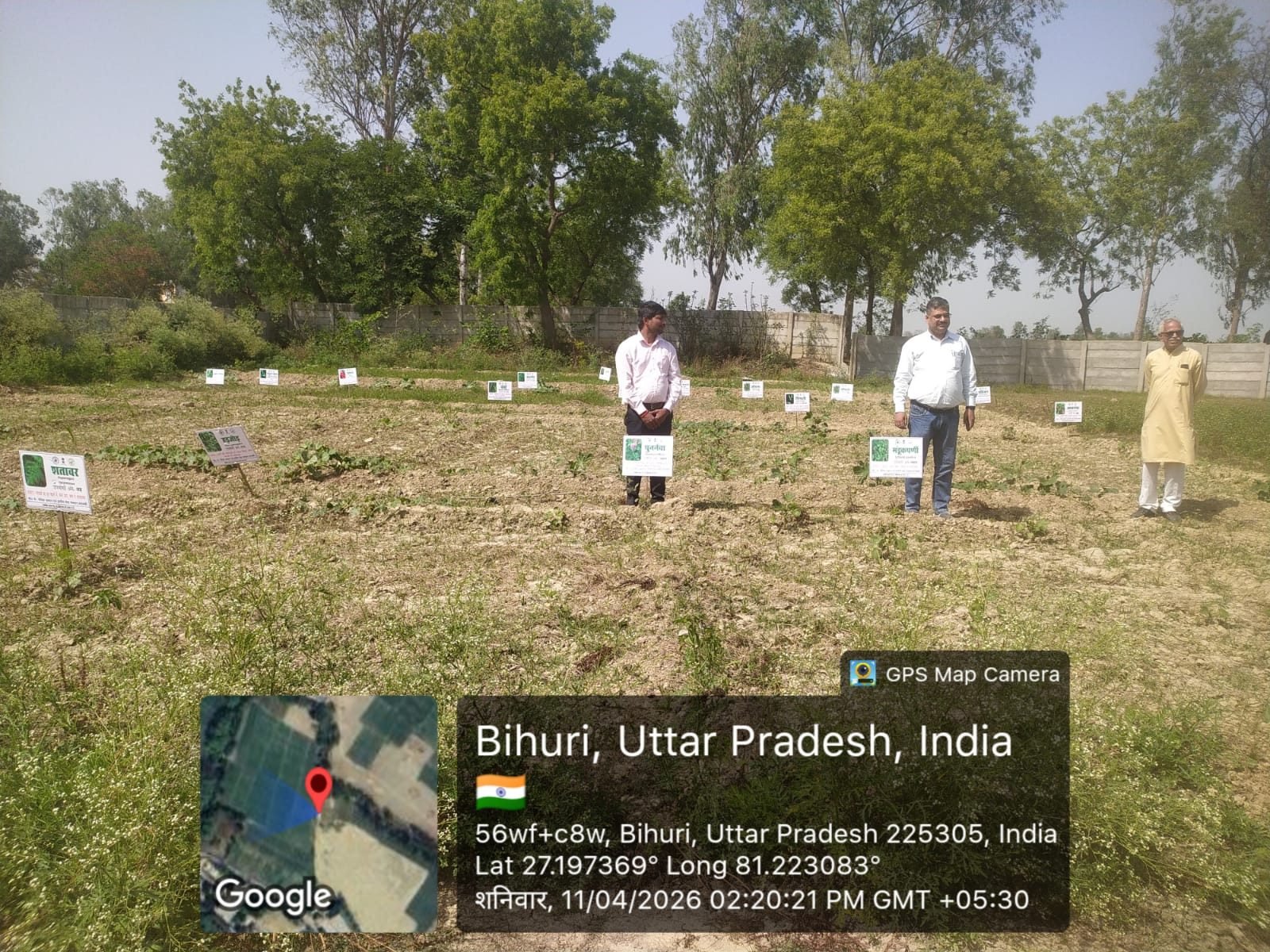
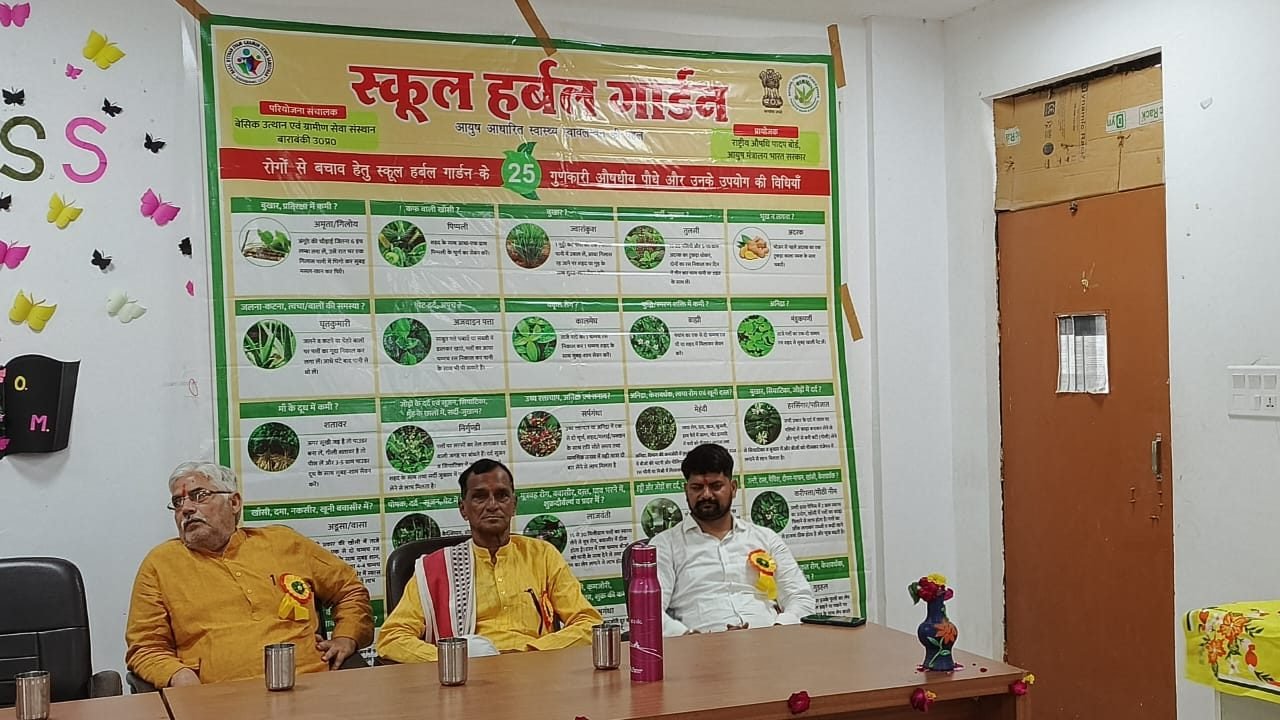
The Institute has established school herbal gardens in schools and colleges across the Barabanki district in collaboration with the National Medicinal Plants Board, Ministry of AYUSH, Government of India. Twenty-five varieties of medicinal plants have been planted in these gardens. Students and parents are being educated about the identification and uses of these medicinal plants with the assistance of Ayurvedic experts.
Meetings and Awareness Programs with School/College Management
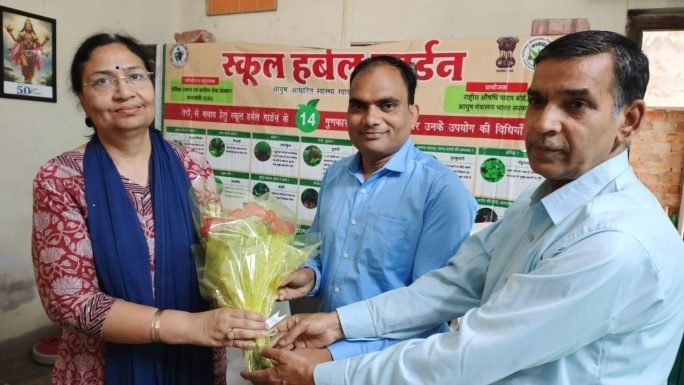
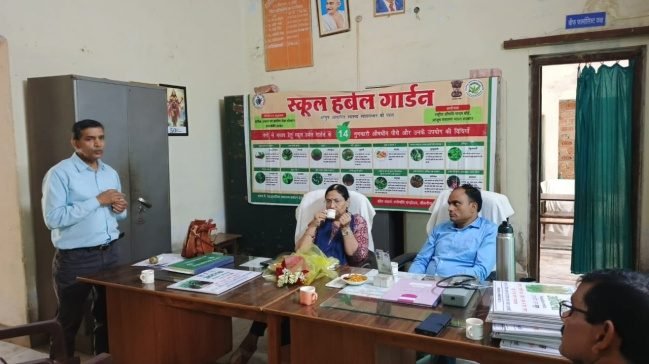
Meetings are being held with the management and teaching faculty of selected schools and colleges to foster an environment conducive to establishing school herbal gardens. During these meetings, the proposed garden sites are inspected, and the college management is sensitized to the need for ensuring the availability of irrigation facilities.
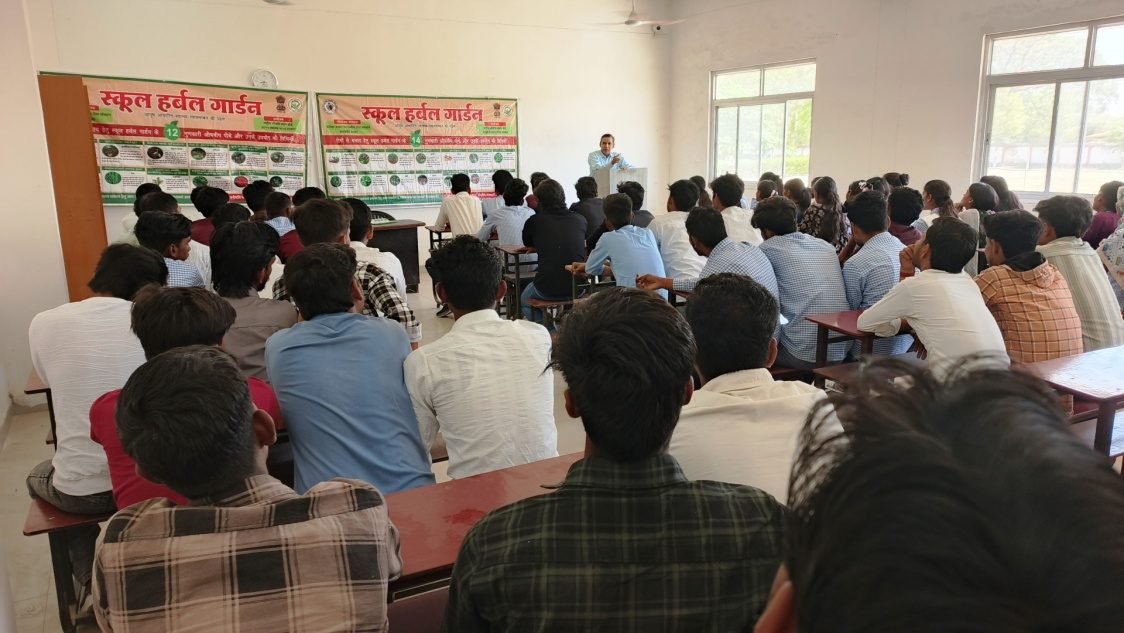
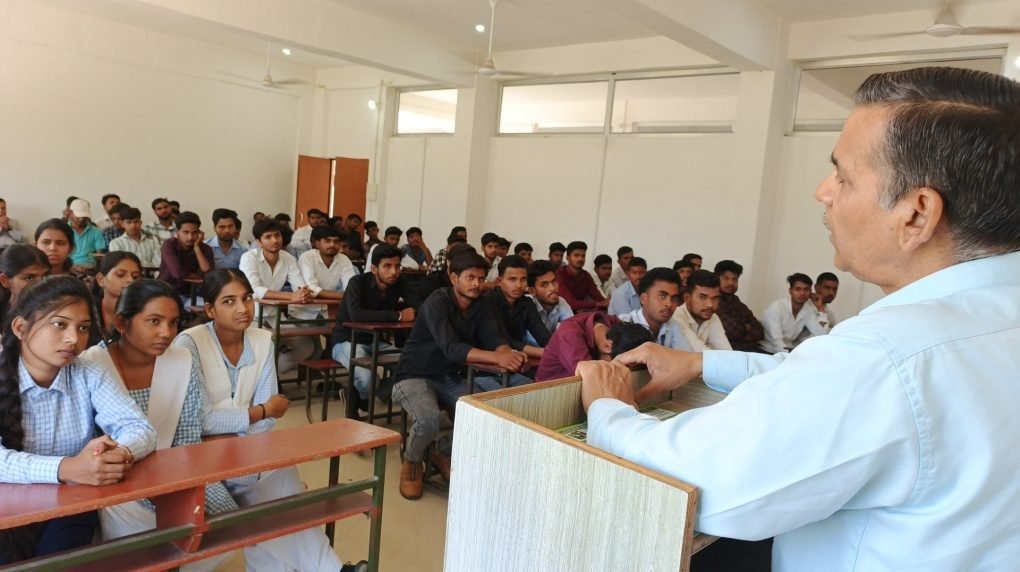
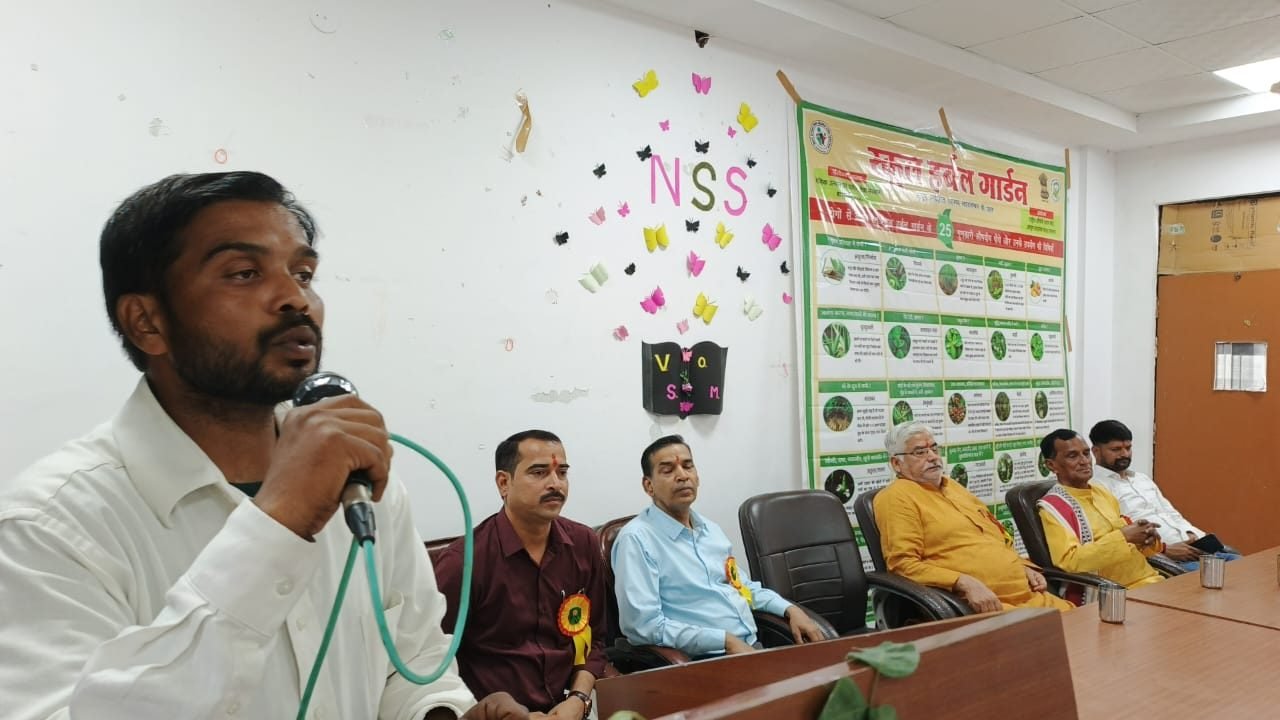
Awareness programs are being conducted for students and parents, providing information on the identification and uses of medicinal plants. Additionally, the college management and teaching faculty are being informed about AYUSH-based health self-reliance.
Medicinal Plants Planted
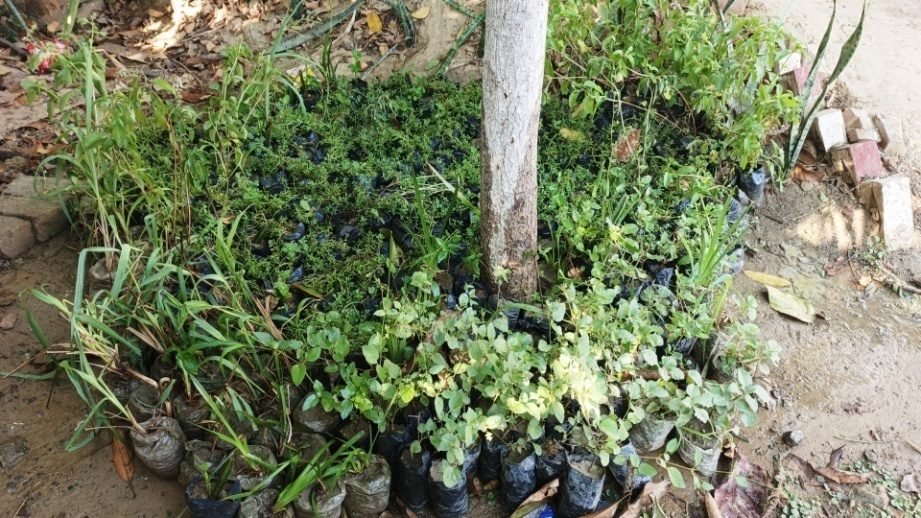
Based on availability, the following medicinal plants have been planted in each herbal garden.
| S.No. | Medicinal Plant Name | Planted Numbers |
|---|---|---|
| 01 | Brahmi | 70 |
| 02 | Tulsi | 10 |
| 03 | Adusa | 05 |
| 04 | Mandukparni | 10 |
| 05 | Punarnava | 15 |
| 06 | Sarpagandha | 03 |
| 07 | Fennel (Saunf) | 05 |
| 08 | Giloy/Amrita | 07 |
| 09 | Ajwain | 10 |
| 10 | Vach | 11 |
| 11 | Hadjod | 08 |
| 12 | Nirgundi | 12 |
| 13 | Ashwagandha | 10 |
| 14 | Shatavar | 10 |
| 15 | Khus | 05 |
| 16 | Jwarankush | 10 |
| 17 | Harsingar | 05 |
| 18 | Kanchanar | 05 |
| 19 | Amla | 05 |
| 20 | Sahjan | 05 |
| 21 | Hibiscus | – |
| 22 | Pippali | 05 |
| 23 | Ginger | – |
| 24 | Aloe Vera | – |
| 25 | Touch-me-not (Lajvanti) | 05 |
| 26 | Henna (Mehndi) | 05 |
| 27 | Kalmegh | 05 |
Medicinal Plants Reference Guide
Illustrated reference charts developed for students and parents, covering the identification, common ailments, and traditional preparation methods for each of the 25 medicinal plants grown in the school herbal gardens.